How to File a Roof Insurance Claim for Alberta Winter Storm Damage
Overview
Filing a roof insurance claim after an Alberta winter storm comes down to speed, documentation, and having the right contractor involved from the start. Most Alberta home insurance policies cover storm-related roof damage - including damage from ice damming, wind, and heavy snow loads - but the process is easy to mismanage. Moving too slowly, failing to document properly, or allowing repairs to happen before the adjuster visits can all reduce or eliminate your payout. This guide walks through the process step by step so you know exactly what to do before you ever pick up the phone.
Get a Free Estimate - Brother Baer Roofing & Contracting serves Grande Prairie and the Peace Region - visit brotherbaerroofing.com to get started.
First Things First: Does Your Policy Cover Winter Storm Damage?
What Alberta Policies Typically Cover
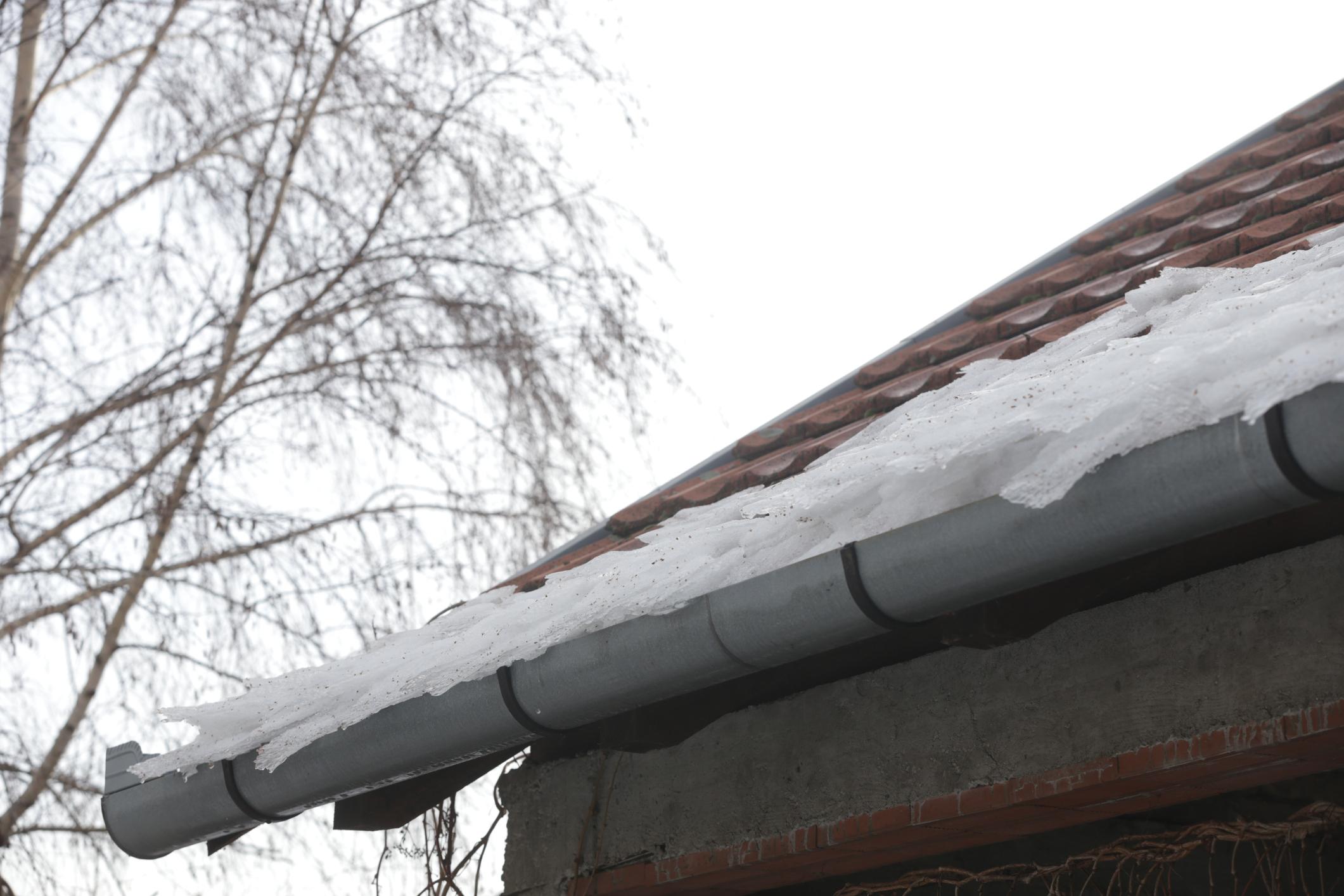
Most comprehensive home insurance policies in Alberta cover sudden and accidental damage caused by weather events - including wind, ice dam infiltration, and structural damage from heavy snow loads. The key word is "sudden." Damage that results from a single storm event is typically covered, and that includes interior water damage caused by a roof leak that started with a storm-related failure.
Coverage is usually triggered by the weather event, not by when you discover the damage. So even if you noticed a leak weeks after the storm that caused it, you may still have a valid claim - though reporting promptly is always better.
Common Exclusions to Know About
Where policies don't pay out is on damage attributed to lack of maintenance, normal wear and tear, or a roof already at the end of its lifespan. If your shingles were curling before the storm hit and the adjuster can establish that, your claim can be reduced or denied on the grounds that the roof wasn't in an insurable condition. This is why regular maintenance and documented inspections matter. It's also why you should never allow a contractor to make permanent repairs before the adjuster has assessed the damage - you may inadvertently remove the evidence that supports your claim.
Step 1 - Document Everything Before Anything Is Touched
What Photos and Notes to Capture
Before you move anything, make temporary repairs, or call a contractor, take a thorough photo record of all visible damage:
Wide shots showing the full affected area
Close-ups of specific damage: cracked shingles, missing material, ice buildup, damaged flashing
Interior shots of any water staining, ceiling damage, or moisture infiltration
Timestamp everything with your phone
Written notes help too. Record the date you first noticed the damage, the approximate date of the storm you believe caused it, and any prior condition documentation you have - such as a recent roof inspection report. That establishes a pre-storm baseline that can be valuable if the insurer questions the cause.
Temporary Repairs: What's Allowed and How to Track Costs
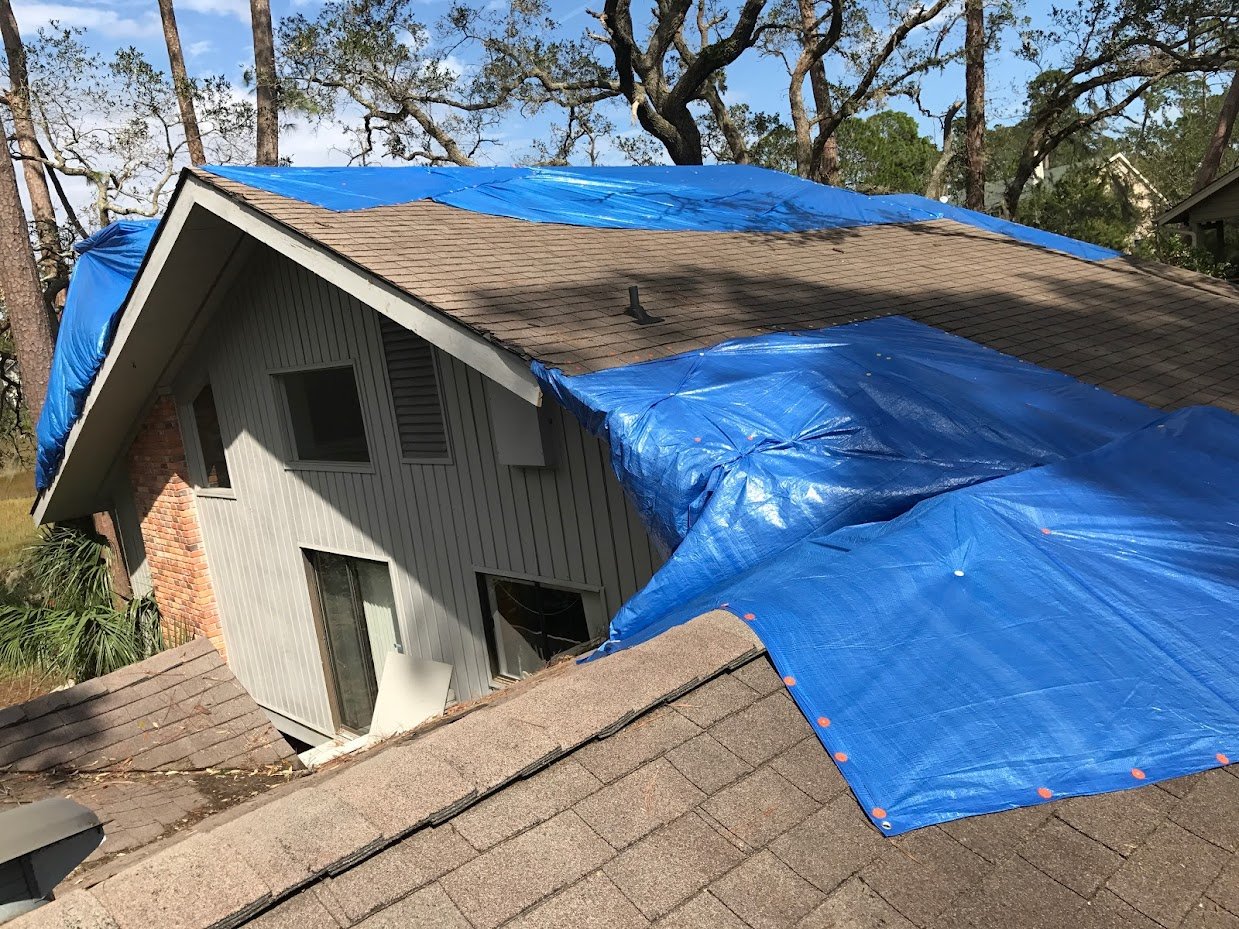
If your roof has active leaks, you're expected to make temporary repairs to prevent further damage. Tarping a damaged section, boarding a broken skylight, or removing standing water from your attic are all reasonable measures. Keep every receipt. Your insurer will typically reimburse reasonable temporary repair costs as part of the claim. What you should not do is authorize permanent repairs before the adjuster has made their visit.
Step 2 - Call Your Insurer and Start the Claim
What to Say When You Call
When you contact your insurer, keep it factual. Tell them the date and nature of the weather event, what damage you observed and when you noticed it, and that you've documented everything with photos. Ask them to confirm your coverage type, your deductible amount, and the timeline for sending an adjuster. Get a claim number and the name of whoever you spoke with.
Don't speculate on the extent of the damage or provide repair estimates during this call. Let the adjuster make their own assessment first.
How Adjusters Assess Roof Damage
Insurance adjusters are trained to identify storm-related damage, but they're working from a claims-management perspective. They're identifying what qualifies under the terms of your policy - not necessarily the full scope of what needs to be repaired. Having a roofing contractor you trust involved in the process, one who can speak to the technical details of the damage, typically leads to a more complete and accurate assessment.
Get a Free Estimate - contact Brother Baer Roofing & Contracting at brotherbaerroofing.com and we'll get back to you fast.
Step 3 - Get a Professional Roofing Assessment

Why You Want Your Own Contractor's Opinion
You have the right to hire your own roofing contractor, and you should. A contractor who inspects your roof independently of the adjuster gives you a second set of professional eyes on the damage. They can identify issues the adjuster may have missed, provide a detailed scope of work that supports your claim, and advocate on your behalf if the insurer's assessment seems incomplete.
With 40 years of experience in Grande Prairie, Brother Baer knows what winter damage looks like on Alberta roofs and how to document it clearly for insurance purposes.
How to Make Sure the Roofer's Assessment Aligns With the Adjuster's
The most effective approach is to have your contractor present during the adjuster's visit, or to have a contractor's written report in hand before the adjuster arrives. When both parties have assessed the damage, any significant discrepancy can be addressed before you receive a settlement offer. If the adjuster's scope of work is substantially lower than your contractor's estimate, you can request a re-inspection or engage a public adjuster to review the claim independently.
Step 4 - Review Your Settlement and Know Your Options
RCV vs. ACV: Understanding Your Payout
Your settlement will be based on either Replacement Cost Value (RCV) or Actual Cash Value (ACV), depending on your policy. RCV covers the full cost to replace damaged materials with comparable new materials. ACV applies a depreciation factor based on the age of your roof - a 15-year-old shingle gets a smaller payout than a 5-year-old one. If you have ACV coverage and your roof is older, expect the settlement to be noticeably less than the full replacement cost. Review your policy before filing so you understand which applies to you and what to expect.
What to Do If Your Claim Is Underpaid or Denied
If you receive a settlement that seems significantly lower than the actual repair or replacement cost, you have options. You can request a re-inspection, submit additional documentation from your contractor, or engage a licensed public adjuster in Alberta who will review the claim on your behalf. Outright denials can be appealed through your insurer's internal dispute process or escalated to Alberta's insurance regulator.
Frequently Asked Questions
How long do I have to file a roof insurance claim in Alberta after a storm?
Most Alberta home insurance policies require you to report claims promptly - typically within one to two years from the date of loss, though this varies by policy. Reporting as soon as possible is always better. Adjusters can more easily establish a storm-cause connection when the claim is filed close to the event. Waiting months gives other factors - normal wear, additional weather events - the opportunity to complicate the picture.
Will filing a claim raise my home insurance rates in Alberta?
Possibly. How much depends on your insurer, your claims history, and the size of the claim. Alberta insurers are allowed to adjust premiums based on claims experience. If the damage is only a few hundred dollars more than your deductible, paying out of pocket and keeping a clean claims history is often the smarter financial move. For larger storm events, filing is almost always the right call.
Can I choose my own roofing contractor for an insurance claim?
Yes. You are not required to use a contractor recommended by your insurer. You can choose any licensed, insured roofing contractor to complete the repair or replacement work. Your insurer pays the agreed settlement amount - you control who does the work.
What if the adjuster and my roofer disagree on the damage?
This happens, and it's resolvable. Ask your contractor to document the specific items they identified that the adjuster didn't address, and submit that as a supplement to your original claim. Most insurers will respond to a well-documented request for re-evaluation. If the disagreement persists and the dollar amount is significant, a licensed public adjuster is a worthwhile investment.
Got Storm Damage in Grande Prairie?
Got storm damage and not sure where to start? Brother Baer Roofing & Contracting offers free estimates in Grande Prairie - reach out at brotherbaerroofing.com and we'll walk you through it.