Spring Roof Inspection in Grande Prairie: What a Professional Actually Looks For
Overview
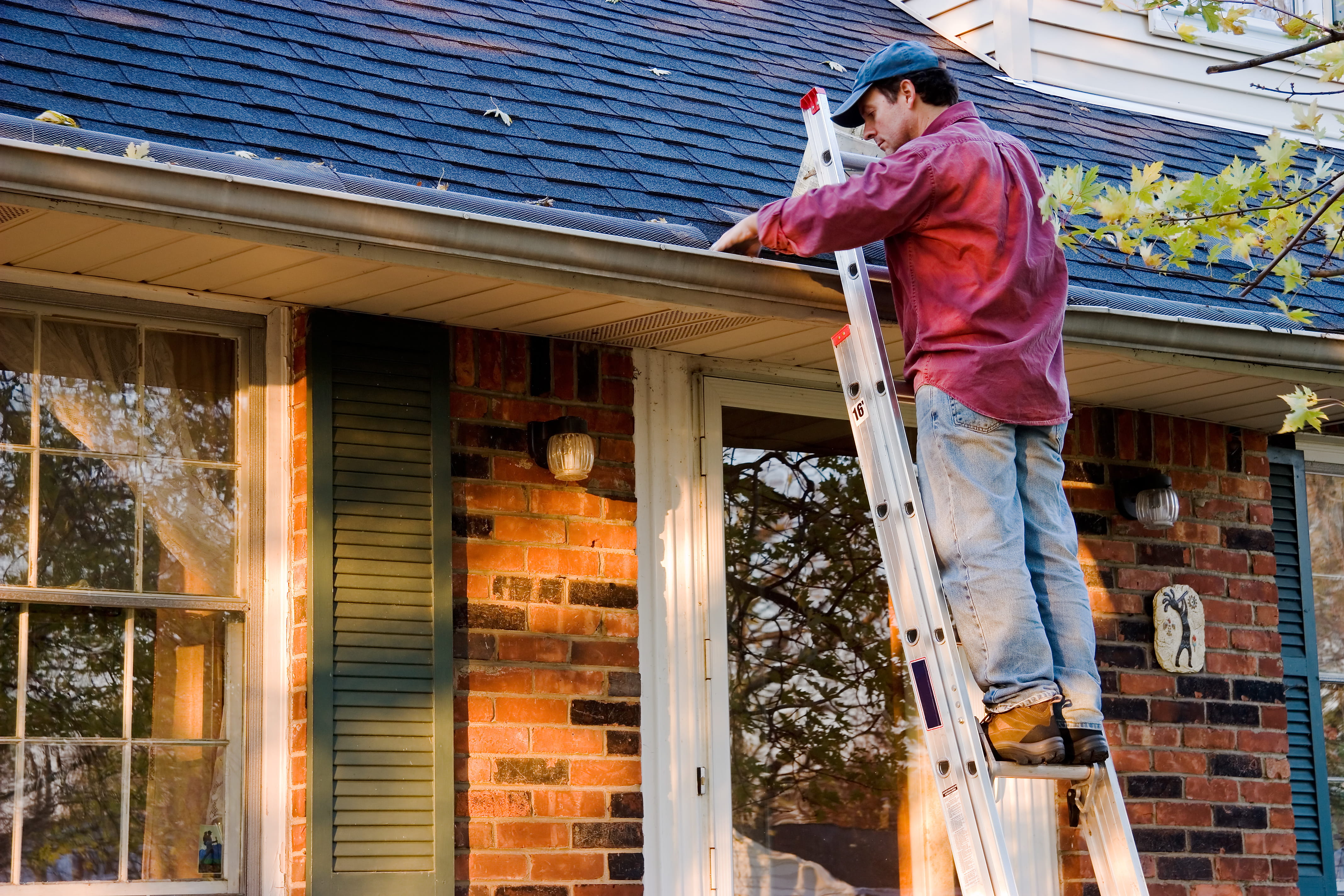
A professional spring roof inspection in Grande Prairie goes well beyond a quick look at the shingles. After a northern Alberta winter - with its freeze-thaw cycles, heavy snow loads, and ice buildup along the eaves - a trained roofer checks the entire roof assembly for cumulative damage that most homeowners can't detect from the ground. That includes shingle and flashing integrity, attic ventilation, decking condition, soffit and fascia health, and drainage performance. Getting an inspection done in spring gives you the full picture of what winter left behind, with enough time to make repairs before hail season adds more stress to an already taxed roof.
Get a Free Estimate - Brother Baer Roofing & Contracting serves Grande Prairie and the Peace Region - visit brotherbaer.com to get started.
Why Spring Is the Right Time to Inspect
What Winter Does to Roofs Before You See It
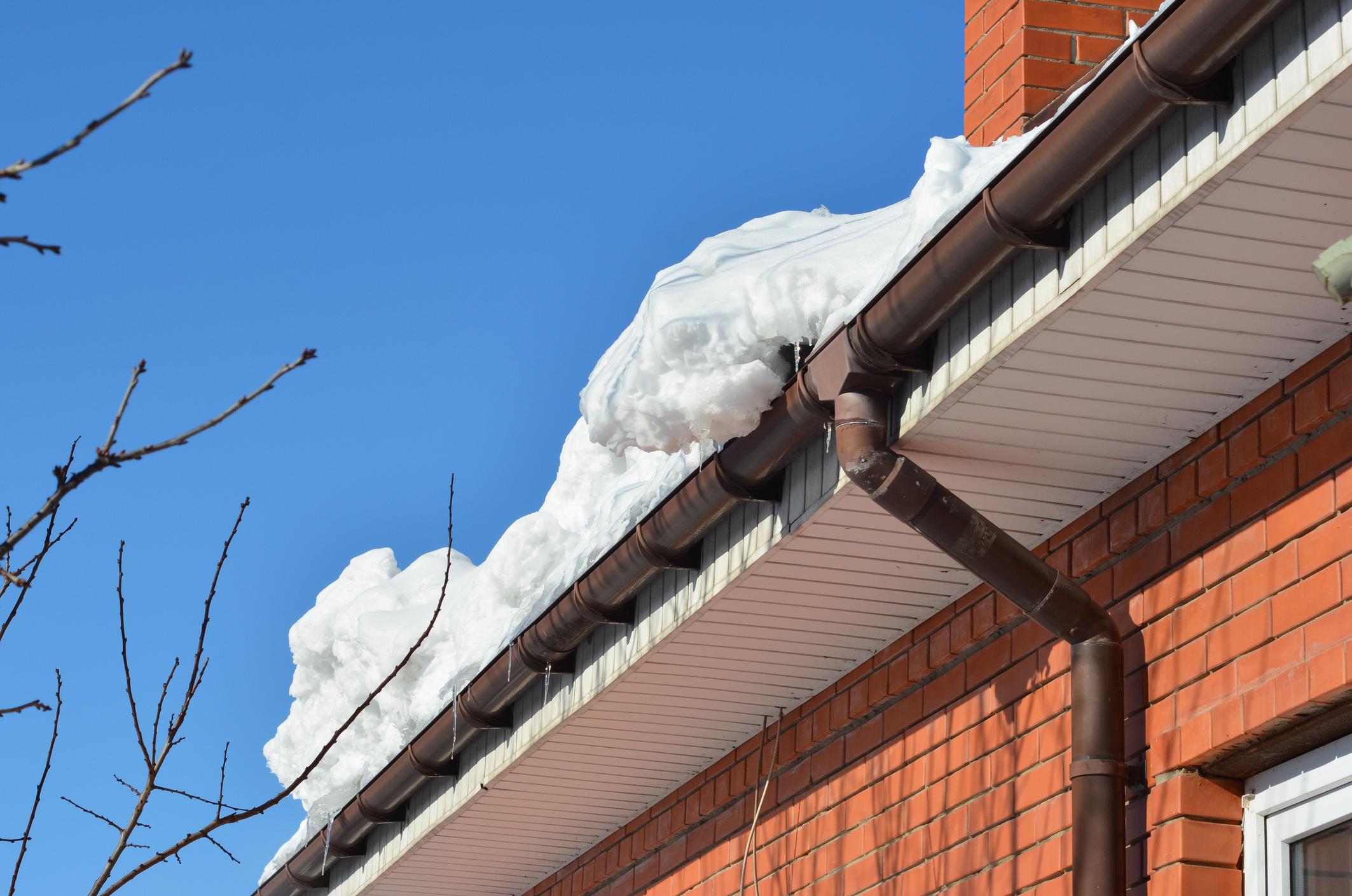
Most winter roof damage isn't visible until the snow is gone and temperatures stabilize. Cracked shingles stay hidden under ice. Lifted flashing looks normal when it's frozen in place. Saturated insulation doesn't produce a ceiling stain until it's had time to work its way through the layers below. Spring is when all of that becomes visible - and when you still have time to act before spring rains and hail season add more stress to an already compromised roof.
The Inspection-to-Repair Window Before Hail Season
Grande Prairie's hail season typically runs from May through August, with the highest activity in June and July. A spring inspection done in March or April gives you a clear window to identify and repair any winter damage before hail arrives. A roof with cracked shingles, failed flashing, or compromised underlayment is far more vulnerable to hail damage - and any subsequent insurance claim becomes more complicated if pre-existing damage is already present when the adjuster arrives.
What We Check on the Exterior
Shingles, Flashing, and Valleys
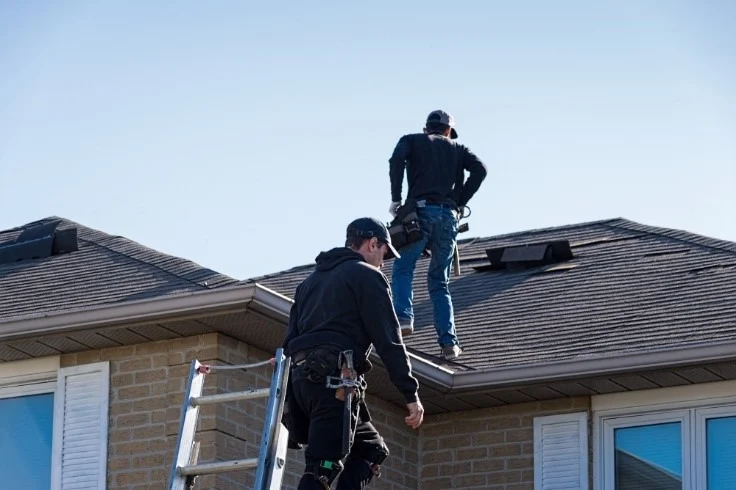
On the exterior, we start with a full inspection of the shingle field - looking for cracking, curling, granule loss, lifting, and missing material. Shingles near the eaves get particular attention, since that's where ice dam stress concentrates most. We examine every piece of flashing: around chimneys, pipe vents, skylights, and along wall-to-roof transitions. Flashing failures are the most common cause of roof leaks in Grande Prairie, and they're often missed unless you know exactly what you're looking for. We also check the roof valleys - the channels where two slopes meet - which carry high water volumes and show wear earlier than the rest of the roof.
Soffits, Fascia, and Eavestroughs
A thorough spring inspection includes the components most homeowners don't associate with the roof system. Soffits and fascia protect the edges of your roof from wind-driven water and provide the intake ventilation your attic depends on. After a hard winter, fascia boards can crack, soffit panels can loosen, and eavestrough hangers can pull away under the weight of ice. Problems here often lead to water getting behind your exterior cladding or blocking airflow into the attic - both of which cause issues that show up elsewhere on the roof.
What We Check on the Interior
Attic Ventilation and Moisture
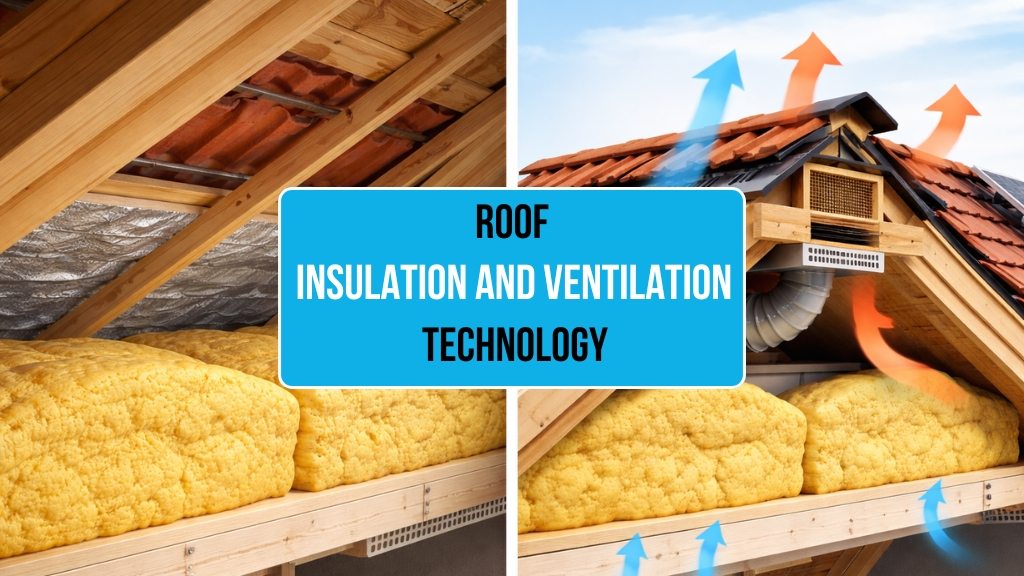
Attic access is one of the most important parts of a professional roof inspection, and it's something a homeowner can't easily replicate from a ladder. We check for adequate airflow between intake vents in the soffit and exhaust vents at the ridge or upper roof. Poor ventilation traps warm, moist air in your attic - which in winter leads to condensation, frost buildup on the decking, and eventually wood rot. In summer, inadequate ventilation significantly shortens shingle life by trapping heat at the underside of the roof. We also look for signs of previous ice dam infiltration: staining, mold, or frost lines on the underside of the decking.
Decking Integrity and Insulation
The roof deck - the plywood or OSB panels your shingles are fastened to - is the structural foundation of the whole roof system. We check for soft spots, discoloration, delamination, and any areas where fasteners are pulling through the panel. We also assess the insulation layer for compression, moisture saturation, or displacement, since compromised insulation is often the root cause of the ice damming that damages the deck in the first place. Addressing insulation problems now prevents the same cycle from repeating next winter.
Get a Free Estimate - contact Brother Baer Roofing & Contracting at brotherbaer.com and we'll get back to you fast.
What Comes Out of a Professional Inspection Report
Repair Priorities: What's Urgent vs. What Can Wait
A good inspection report doesn't just list what's wrong - it tells you what needs to happen now, what can wait until fall, and what to monitor over the coming season. Not every finding requires immediate action. A few cracked shingles and moderate granule loss on a 12-year-old roof might be a "monitor and plan for replacement in two to three years" situation rather than an emergency repair. We give you the honest picture so you can make the right call for your home and your budget.
Documentation That Helps With Insurance Claims
If any of the damage we find is storm-related - whether from ice damming, wind, or heavy snow load - we document it in a way that supports an insurance claim. This means detailed notes, photos of specific damage areas, and a professional assessment of the likely cause. Having a contractor's documentation in hand before you call your insurer puts you in a significantly stronger position than filing based on your own observations alone.
How to Prepare for a Roof Inspection
What to Do Before the Roofer Arrives
You don't need to do much to prepare. Make sure the roofline is accessible - if there's still heavy snow on the roof or significant drifts blocking access around the home, it may be worth waiting another week or two for better conditions. If you have attic access, clear any stored items away from the hatch so we can get in without difficulty. If you noticed specific problems during winter - a stain on the ceiling, a loose soffit panel, icicles in an unusual spot - make note of where they are so you can point them out.
Questions to Ask Your Inspector
When the inspection is done, these are the questions worth asking:
What is the estimated remaining life of the roof under normal conditions?
Is there any damage that could support an insurance claim?
What repairs are first priority, and what can wait until fall?
Are there ventilation or insulation issues that need to be addressed to prevent problems next winter?
If replacement is coming, what materials would you recommend for this house and this climate?
Frequently Asked Questions
How long does a roof inspection take in Grande Prairie?
A thorough professional inspection of a typical single-family home - including the exterior walkabout, eavestrough check, and attic access - takes between 45 minutes and an hour and a half, depending on the size and complexity of the roof. Larger homes with multiple sections, skylights, or complex flashing details take longer.
Do I need to be home for a roof inspection?
For the exterior portion, no. But if you want the inspector to access the attic - which gives the most complete picture of the roof system - it helps to have someone home to provide access. We always recommend homeowners be present when we walk through our findings, so there's no confusion about what we found and what we recommend.
How often should I get my roof inspected in Alberta?
Every two to three years is a reasonable standard for a roof in good condition. After any significant weather event - a major hailstorm, a heavy ice dam season, or sustained high winds - an inspection is worthwhile regardless of that interval. For roofs over 15 years old, annual inspections make sense to stay ahead of the replacement timeline.
What's the difference between a free estimate and a paid inspection?
A free estimate from a roofing contractor involves an assessment of the roof's condition and the work needed, with a cost proposal attached. Brother Baer's free estimates are thorough and include an honest condition report at no charge. A paid inspection - typically done by a third-party home inspector - is more formal documentation, often required for real estate transactions or insurance purposes. For most Grande Prairie homeowners who simply want to know the state of their roof, a contractor's free estimate gets you what you need.
Need a Spring Roof Inspection in Grande Prairie?
Ready to find out what this winter did to your Grande Prairie roof? Brother Baer Roofing & Contracting offers free estimates - visit brotherbaer.com to book yours.