5 Signs Your Grande Prairie Roof Took a Hit This Winter (Before It Becomes a Bigger Problem)
Overview
Knowing the signs of winter roof damage in Alberta can save you from a much larger repair bill down the road. Grande Prairie winters bring freeze-thaw cycles, heavy snow loads, ice buildup along the eaves, and sustained cold that puts roofing materials under constant stress for months at a time. Most homeowners don't notice the damage until spring - by which point what started as a minor issue has had weeks to get worse. These five signs are the most common indicators that your Grande Prairie roof took a hit this winter. Catching them now, before spring rains and hail season arrive, is the difference between a straightforward repair and a much more expensive problem.
Get a Free Estimate - Brother Baer Roofing & Contracting serves Grande Prairie and the Peace Region - visit brotherbaer.com to get started.
Why Winter Is Especially Hard on Grande Prairie Roofs
Freeze-Thaw Cycles and What They Do to Shingles
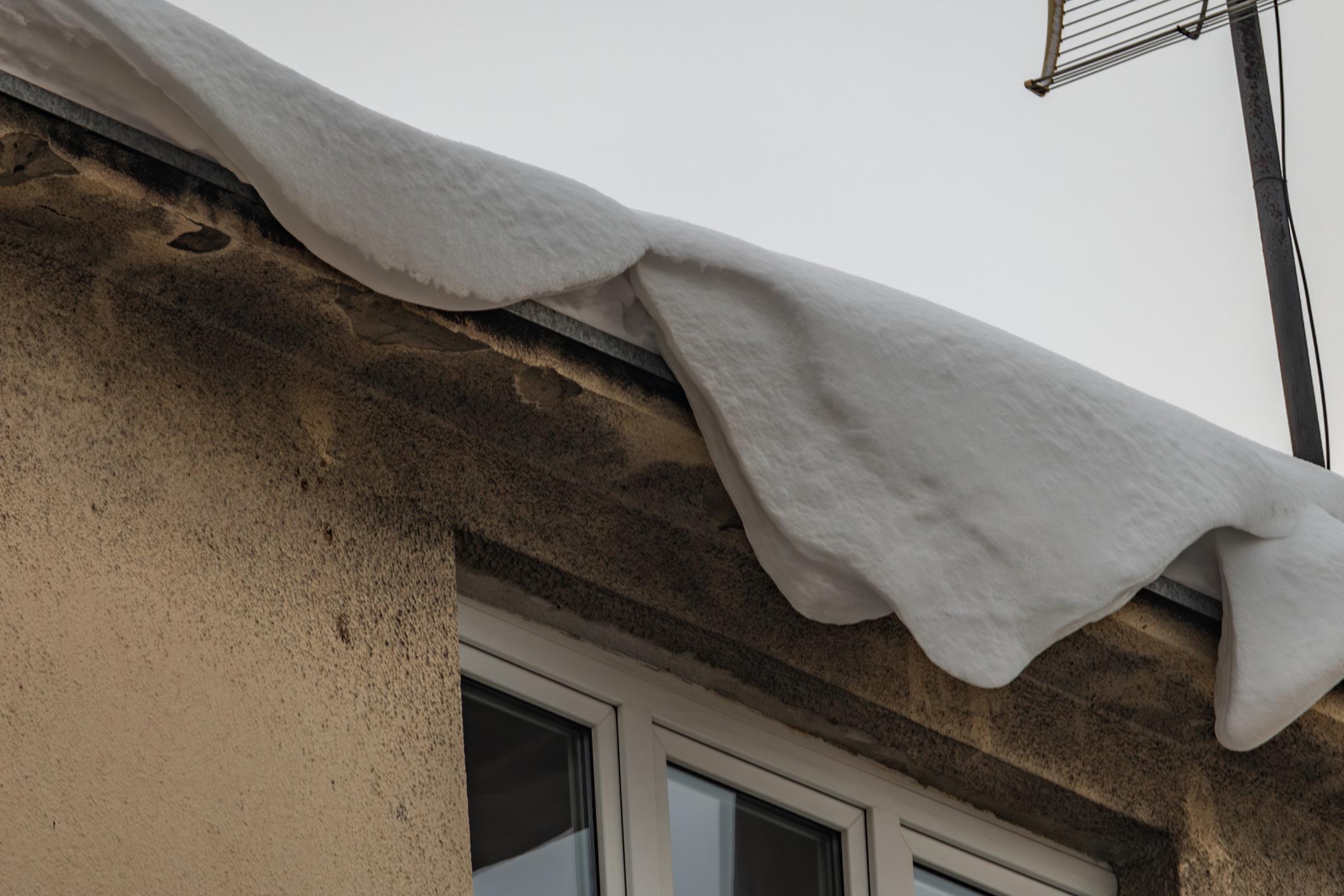
Every time water freezes inside a crack or seam in your roofing material, it expands. When it thaws, it contracts. Repeat that dozens of times over a winter and small problems become big ones. Shingles crack, flashing separates, and sealants fail. In Grande Prairie, where temperatures can swing above and below zero multiple times in a single week, freeze-thaw stress is a consistent issue for any roof more than 10 to 15 years old.
Snow Load Stress on Older Roofs
A cubic foot of dense, wet snow can weigh 20 pounds or more. A roof carrying a foot of packed snow across a large surface area is under significant load. On a well-maintained roof in good condition, this isn't a problem. On an older roof with weakened decking or compromised structural supports, heavy accumulation can cause sagging, cracking, or in severe cases, partial failure. Older homes that haven't had roof work done in decades can be particularly vulnerable.
Sign #1: Water Stains or Peeling Paint on Ceilings
What It Means and Why It Happens
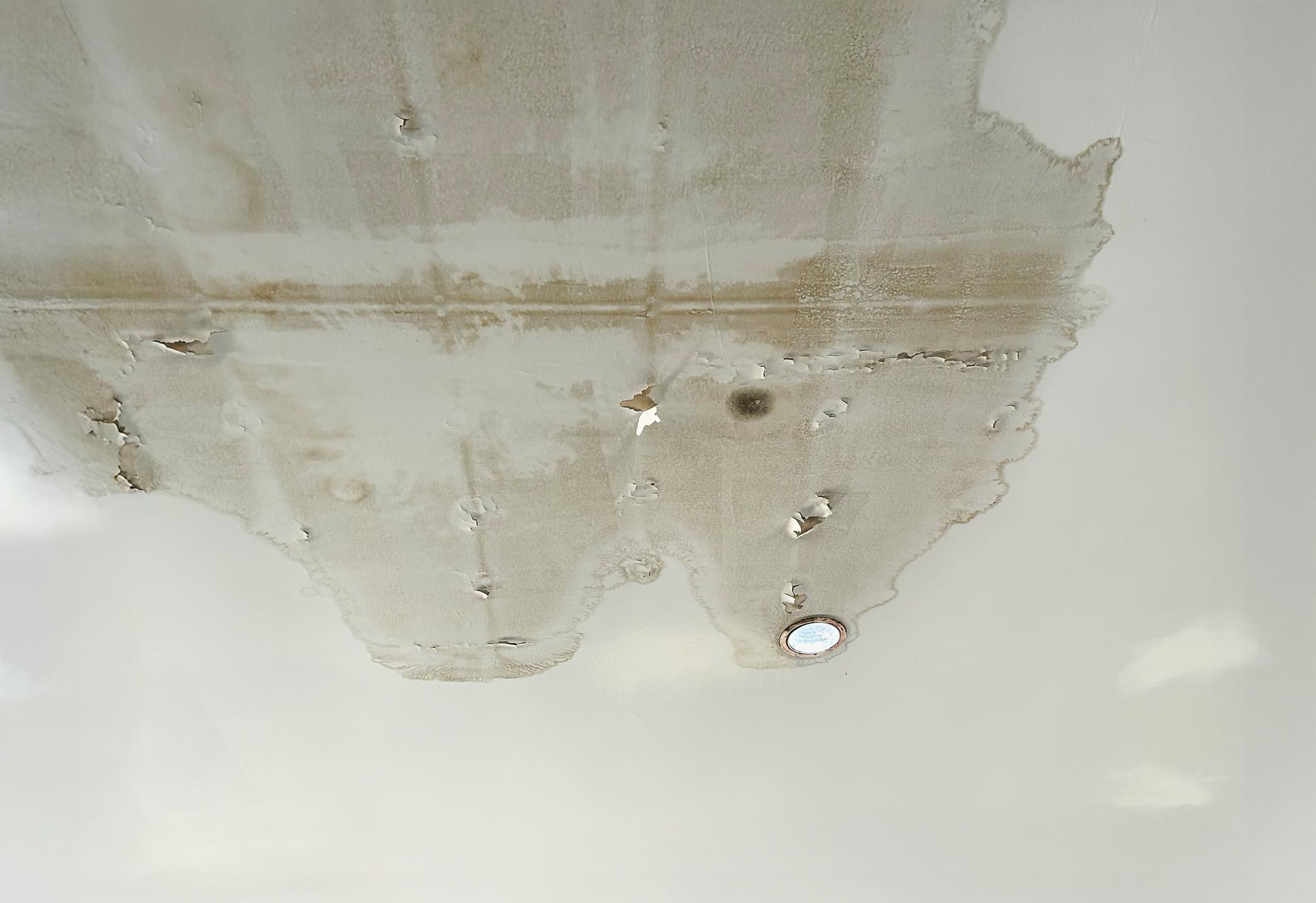
Yellow or brown rings on your ceiling, or paint that's bubbling or peeling near the top of a wall, are almost always caused by water that has made it past your roof assembly. In winter, this usually means an ice dam has formed, a shingle has cracked or gone missing, or flashing around a chimney or vent has failed. The stain you're looking at is the visible evidence - the actual moisture is working its way through your insulation, drywall, and ceiling finish.
How Urgent Is It?
Very. Water damage compounds quickly. A small stain can represent significant saturation in the insulation above it. Left alone, that moisture creates ideal conditions for mold and can begin rotting the structural components above your ceiling. If you're seeing stains that weren't there before winter, treat it as an urgent inspection item.
Sign #2: Damaged or Missing Shingles Near the Eaves
What Ice Does to Shingles
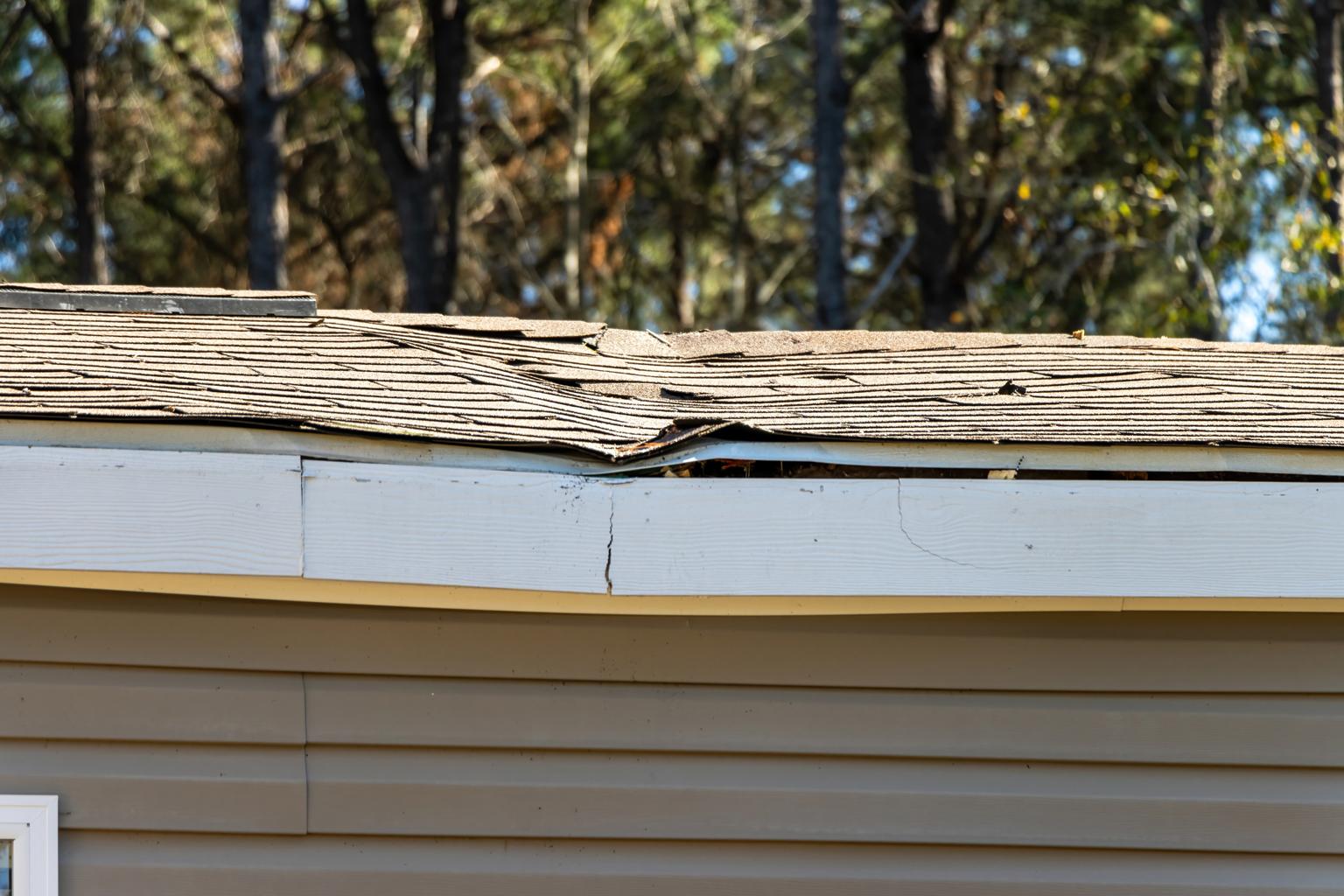
The eave area - the lowest section of your roof - is where ice dams concentrate and where the most mechanical stress from expansion and contraction builds up. Shingles here are more likely to crack, curl, or lift than anywhere else on the roof. When shingles lift, water and ice get underneath. When they crack, the underlayment below is exposed. Either way, the protective layer between your home and the weather is compromised.
What to Check From the Ground
With binoculars or your phone's zoom camera, scan your eaves after a warm spell when the ice has cleared. Look for shingles that appear lifted, cracked, darker than their neighbors (a sign of moisture absorption), or missing. Check the ground below your eaves for granules - the protective mineral coating that wears off damaged shingles - which will show up as a dark, gritty residue in melting snow or along your foundation.
Sign #3: Sagging or Soft Spots in the Roof Deck
How to Identify a Soft Spot
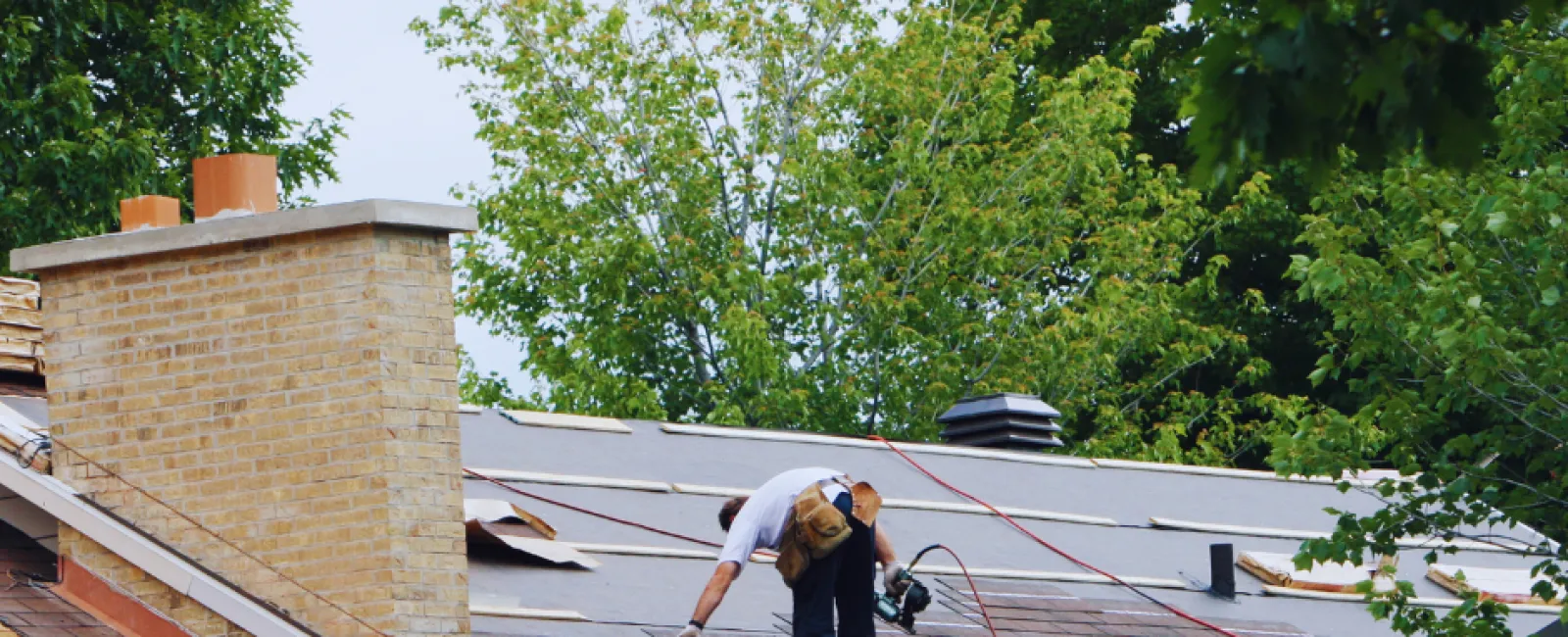
Sagging in your roofline is one of the more serious signs you can observe from the ground. Look at the ridge line and the main field of your roof for any areas that dip or bow where they should be flat and even. Soft spots in the deck - areas where the underlying plywood or OSB has been saturated and begun to deteriorate - often show up as subtle depressions in the roof surface. If you can safely access your attic, soft areas sometimes reveal themselves as a flex or bounce underfoot near the affected section.
Why This Needs Attention Fast
A compromised roof deck isn't just a leak problem - it's a structural problem. Once the decking material has absorbed moisture and begun to rot, it loses its ability to hold fasteners and support the roofing material above it. A deck failure can mean a partial roof collapse in a worst-case scenario, and at minimum it means a full section replacement rather than a simple patch. Don't wait on this one.
Sign #4: Cracked or Separated Flashing Around Chimneys and Vents
Why Flashing Fails in Cold Weather
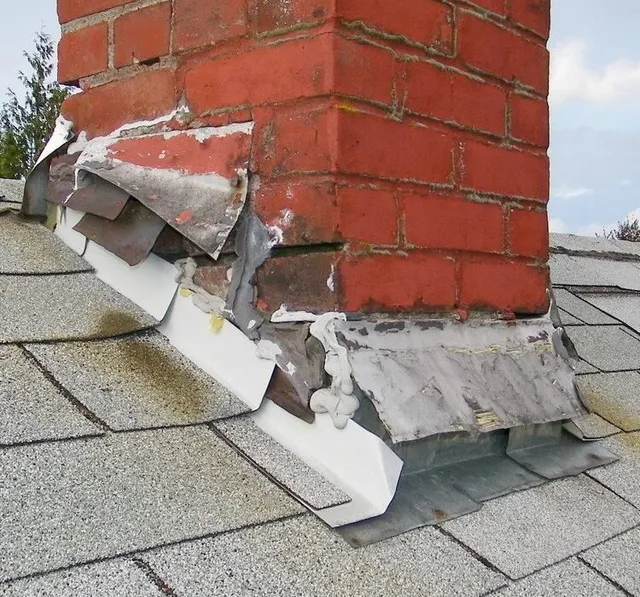
Flashing is the metal sheeting that seals the joints between your roof and any penetration - chimneys, pipe vents, skylights, and walls. It's one of the most common failure points on any roof, and cold weather accelerates that failure. Metal contracts in the cold, sealants get brittle, and the constant expansion-contraction cycle through winter can separate the flashing from the surface it's meant to seal. When flashing fails, water has a direct path into your roof assembly.
The Leaks This Causes
A flashing leak doesn't always show up immediately below the failure point. Water can travel several feet along a rafter or ceiling joist before it finds a place to drip through - meaning the stain on your ceiling may not be directly below the failed flashing. Flashing repairs are straightforward and relatively inexpensive, but they need to happen before spring rains arrive to prevent more serious water damage from following.
Sign #5: Granule Loss in Your Gutters
What Granule Loss Tells You About Shingle Age
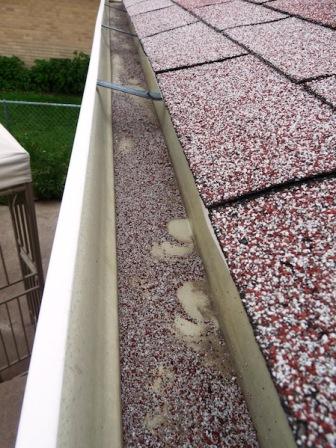
The dark, gritty material that accumulates in your gutters or at the base of your downspouts is mineral granules - the protective coating bonded to the surface of asphalt shingles. A certain amount of granule loss is normal as shingles age, but heavy accumulation after winter suggests your shingles are reaching the end of their useful life. Granules protect the asphalt beneath from UV degradation and mechanical wear. Once they're gone, shingle deterioration accelerates significantly.
When Loss Means Replacement Is Coming
Significant granule buildup in your gutters each season is a reliable sign that your roof is in its final years. This doesn't mean you need a replacement immediately, but it does mean an inspection is warranted to understand your timeline. Planning a replacement on your own terms - in fall, on a schedule, with proper material selection for the Alberta climate - is always better than scrambling after a leak forces the issue mid-summer.
Frequently Asked Questions
How do I safely check my own roof after winter?
The safest inspection you can do as a homeowner is from the ground, using binoculars or your phone's zoom camera. Look at the roofline for obvious sagging, missing shingles, or visible gaps around chimneys and vents. Check your gutters for granule accumulation. Look at your attic from inside for signs of daylight coming through or frost on the decking. Don't get on the roof yourself - even in mild weather, roofs are slippery and the risk isn't worth it.
Can I wait until summer to fix winter roof damage?
For minor issues - a single cracked shingle or light granule loss - waiting a few weeks for a scheduled inspection is generally fine. But if you have visible sagging, interior water stains, or missing shingles, waiting until summer risks further damage from spring rains and the incoming hail season. Any damage that has compromised the roof's waterproofing layer should be addressed as soon as a contractor can get on site.
How much does a spring roof inspection cost in Grande Prairie?
Brother Baer offers free estimates, which includes a professional assessment of your roof's condition and an honest evaluation of what needs attention. There's no cost to find out where things stand.
Is winter roof damage covered by home insurance in Alberta?
Damage caused by sudden weather events - windstorms, ice damming, heavy snow - is generally covered by Alberta home insurance policies. Damage attributed to wear, lack of maintenance, or a roof already at the end of its life typically is not. Document everything with photos before any repairs, contact your insurer before work begins, and make sure you understand what your specific policy covers.
Got Storm Damage in Grande Prairie?
Seeing any of these signs on your Grande Prairie home? Brother Baer Roofing & Contracting offers free estimates - contact us at brotherbaer.com before small problems become bigger ones.